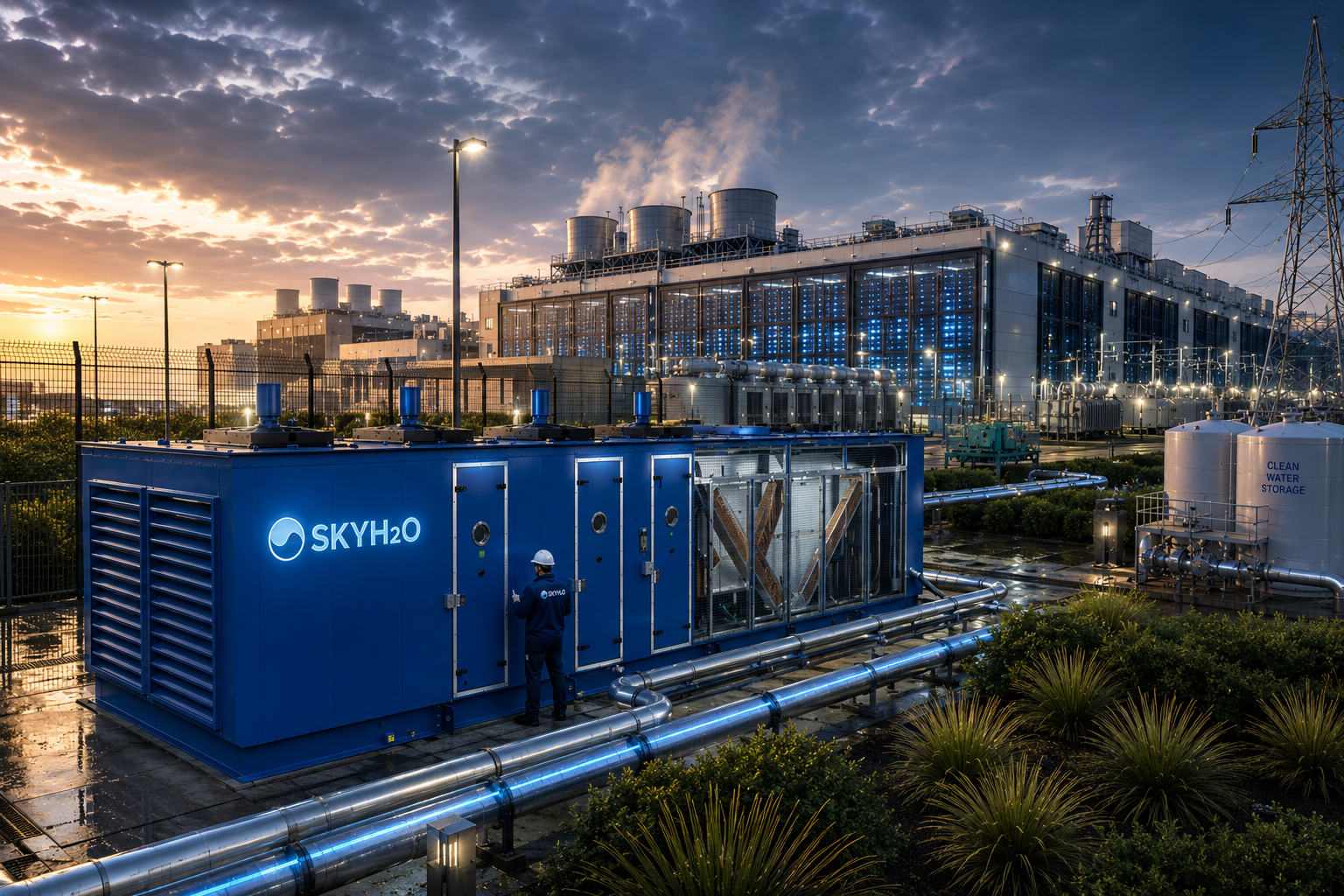


Industrial Water Infrastructure
for the AI Economy
SkyH2O develops distributed atmospheric water infrastructure systems designed to support long-term water security, operational resilience, and sustainable growth in water-stressed regions.

  • Infrastructure-Scale Atmospheric Water Generation

  • Distributed Water Resilience Strategies

  • Commercial, Municipal & Industrial Applications

  • Designed for Long-Term Deployment

Water Is Becoming a Critical Infrastructure Constraint

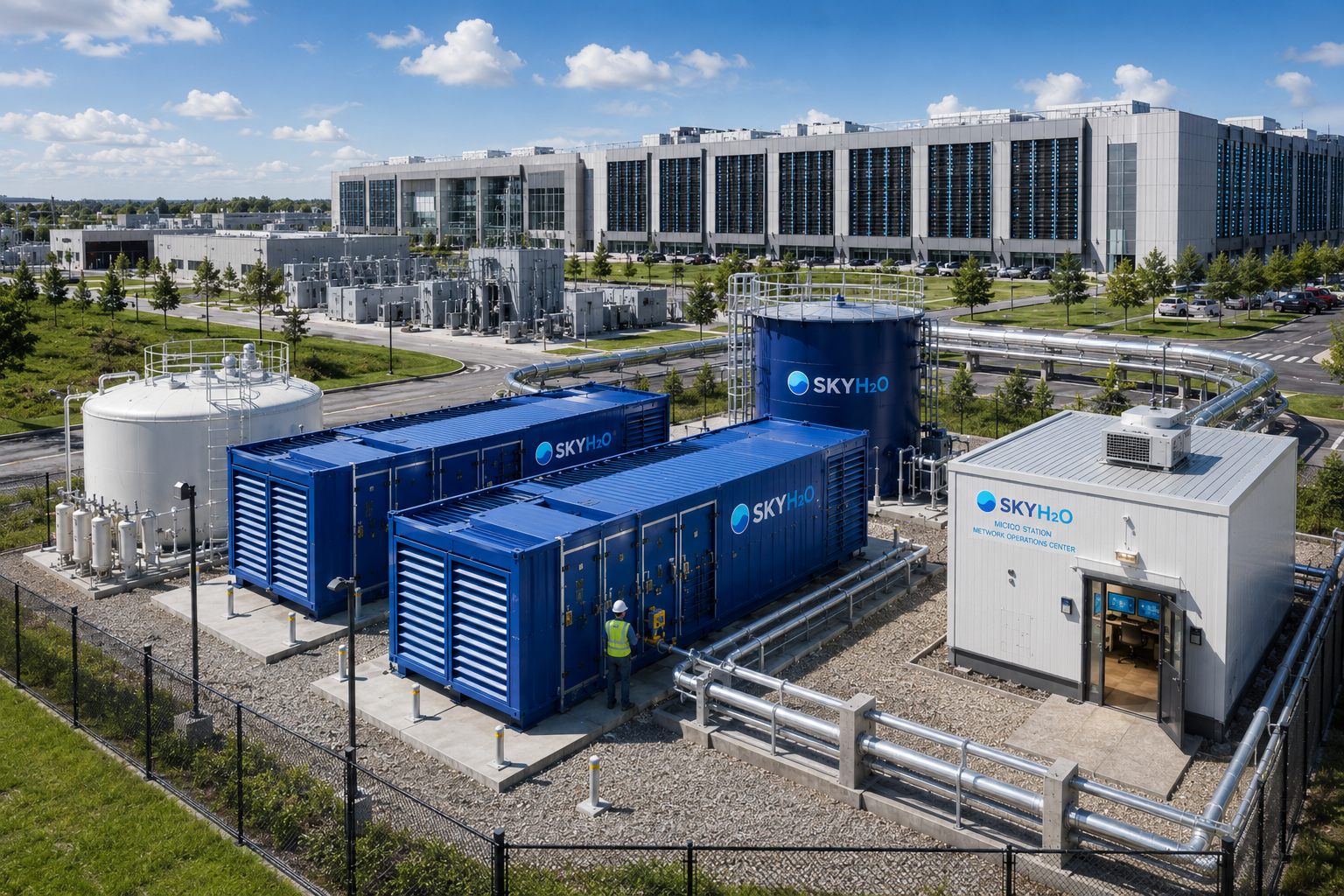
SkyH2O Micro Station™ - ~20,000 LPD Water Production

Rapid AI growth, expanding data center demand, aging infrastructure, drought conditions, and population growth are placing increasing pressure on regional water systems across the United States and globally.

Across the Southeast United States, rapid growth and expanding digital infrastructure are increasing pressure on long-term water resilience planning.

Many municipalities and private infrastructure operators are now facing:

  • Rising water demand

  • Aquifer stress

  • Permitting challenges

  • Public opposition to high water consumption

  • Long-term resiliency concerns

  • Increasing infrastructure costs

As digital infrastructure expands, water resilience is becoming a strategic priority.

Distributed Atmospheric Water Infrastructure

SkyH2O is developing infrastructure-scale Atmospheric Water Generation (AWG) systems designed to produce potable water directly from ambient air.

Our systems are engineered for deployment in commercial, industrial, municipal, and strategic infrastructure environments where water availability, redundancy, and resiliency are increasingly important.

APPLICATIONS:

  • AI & Data Centers

  • Municipal Infrastructure

  • Hospitality & Resorts

  • Industrial Operations

  • Emergency Preparedness

  • Remote Infrastructure

Infrastructure Resilience Is
Becoming Mission Critical

Water availability is increasingly
tied to:

  • economic development,

  • energy infrastructure,

  • operational continuity,

  • site selection,

  • and long-term regional growth.

Organizations evaluating future infrastructure expansion are beginning to recognize water resilience as a strategic operational requirement.
SkyH2O’s distributed infrastructure model is designed to support supplemental water resilience strategies in rapidly evolving environments.

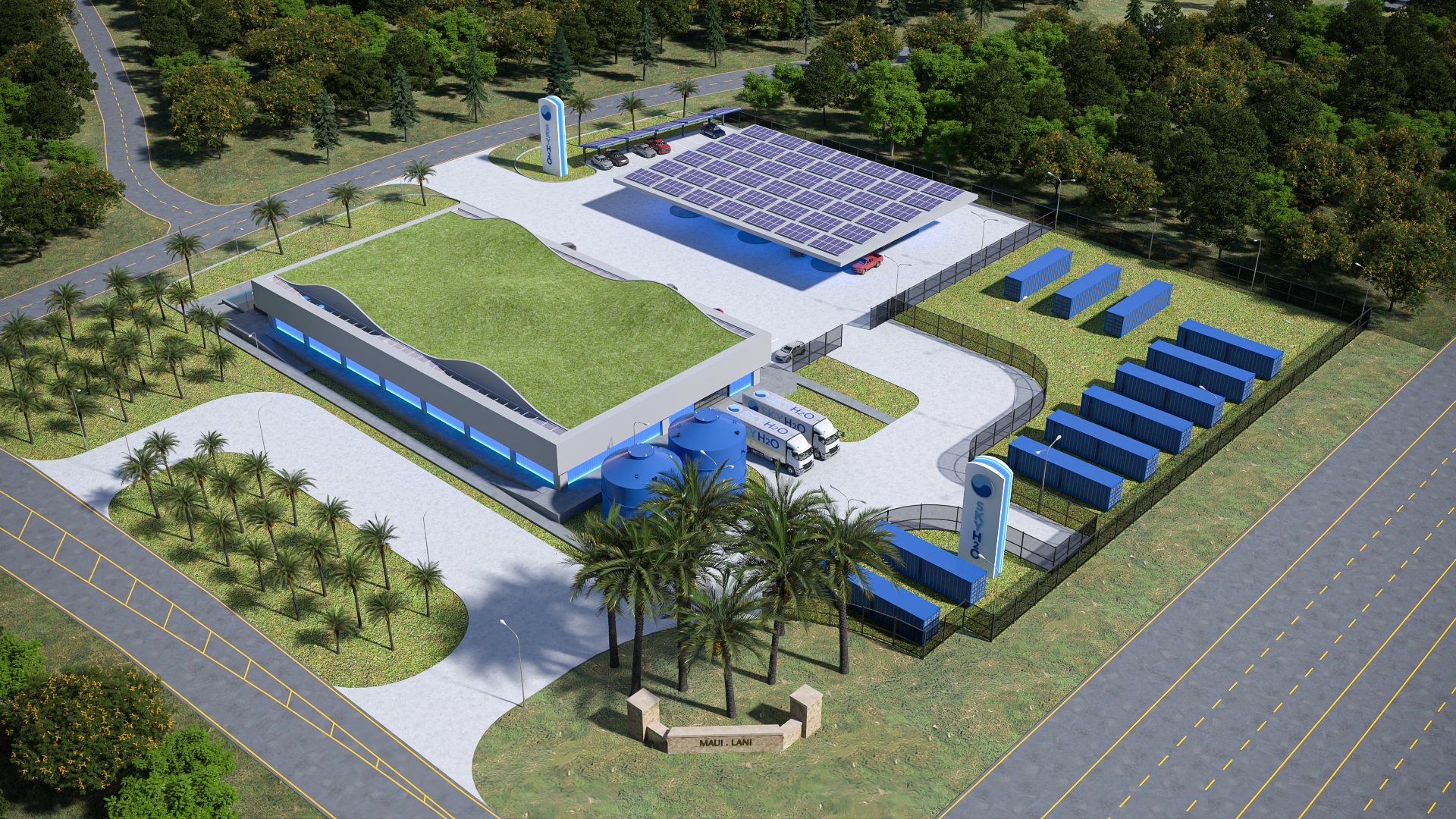
SkyH2O Station™ in Development, Maui, Hawaii
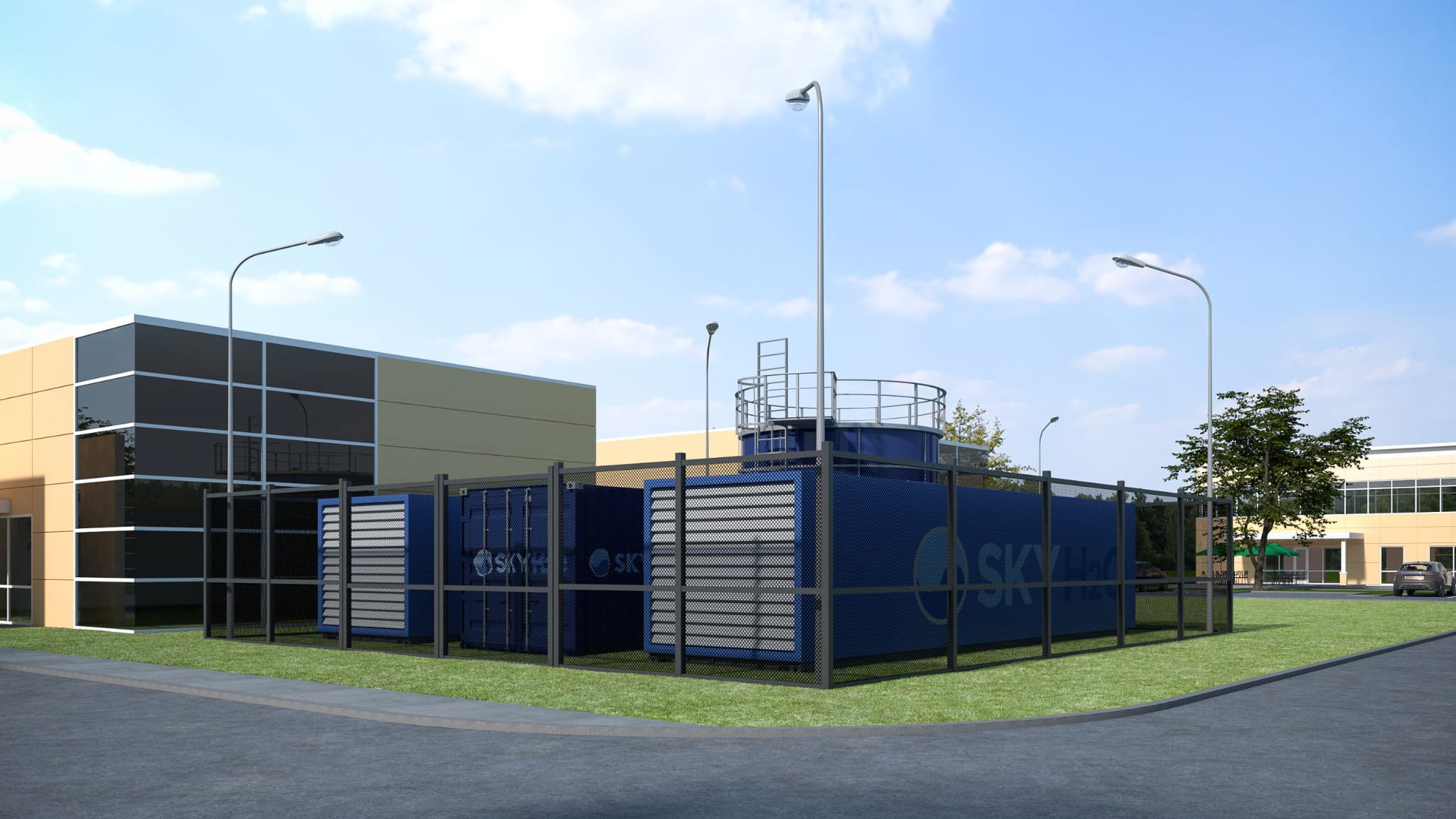
Industrial-Scale Platform Designed for Real-World Deployment

The SkyH2O MAXIMUS 4360™ Gen 3 platform is engineered for scalable deployment across diverse environmental conditions.

SPEC HIGHLIGHTS

  • ~9,500–10,600 liters/day production per unit

  • Modular deployment capability

  • Industrial refrigeration architecture

  • Remote monitoring & controls

  • Designed for multi-unit scalability

  • Engineered for commercial & infrastructure applications

SMALL NOTE

Performance varies based on site-specific atmospheric conditions and deployment configurations.

Current Infrastructure Development Initiatives Key Points

SkyH2O is currently engaged in strategic discussions related to:

  • Water resilience infrastructure

  • Distributed utility systems

  • Climate adaptation

  • AI infrastructure growth

  • Sustainable development

  • Public-private infrastructure opportunities

CURRENT PROJECT REGIONS

  • Hawaii

  • Texas

  • European Union

  • Southeast United States

SkyH2O Station™ Development, Mallorca, Spain

SkyH2O is currently speaking with:

  • infrastructure developers

  • data center operators

  • municipalities

  • strategic investors

  • engineering partners

  • and commercial stakeholders evaluating long-term water resilience strategies.

Schedule a brief introductory discussion to learn more about current SkyH2O infrastructure initiatives and project development opportunities.

Schedule a Confidential Executive Briefing

Request More Information

Short Disclaimer: Information presented is for informational purposes only and does not constitute an offer to sell securities or infrastructure services. Project deployment and performance are site dependent and subject to engineering, environmental, regulatory, and commercial review.

Frequently Asked Questions

  • SkyH2O uses advanced Atmospheric Water Generation (AWG) technology to extract moisture from ambient air and convert it into clean potable water. Our industrial-scale systems filter, cool, and condense atmospheric humidity into usable water using engineered refrigeration and airflow systems. 

  • SkyH2O systems are designed for flexible deployment across commercial, industrial, municipal, and remote environments. Applications include AI data centers, manufacturing facilities, resorts, military installations, emergency response, municipalities, and water-stressed regions.

  • Yes. AI data centers require large volumes of water for cooling and operational resilience. SkyH2O provides decentralized water infrastructure that can help supplement cooling water demand, improve site resilience, reduce dependency on strained municipal systems, and support future infrastructure expansion.

  • A SkyH2O MICRO STATION™ utilizing the MAXIMUS 4360™ platform is designed to produce approximately 9,500–10,600 liters per day (2,500–2,800 gallons per day), depending on environmental conditions such as temperature and relative humidity. 

  • Yes. SkyH2O’s modular platform approach supports scalable deployments ranging from compact satellite systems to large utility-scale water infrastructure projects producing millions of liters per day. Systems can be deployed individually or as multi-unit installations depending on site demand requirements.  

  • SkyH2O offers a decentralized alternative to traditional water infrastructure. Unlike desalination, AWG does not require seawater intake or brine disposal. Compared to trucking water long distances, localized atmospheric water generation can reduce transportation costs, improve resilience, and provide water directly where it is needed.

  • Yes. SkyH2O systems are designed to support integration with renewable energy sources including solar and other distributed energy systems. This allows projects to further improve sustainability goals and reduce long-term operational costs.

  • Ideal partners include AI and hyperscale data center operators, industrial facilities, municipalities, utilities, developers, resorts, military and emergency response organizations, infrastructure investors, and regions facing increasing water stress, drought, or infrastructure limitations.